Friday, March 13th
only rock ‘n’ roll
Sleater-Kinney, “A New Wave,” 2015
only rock ‘n’ roll
Sleater-Kinney, “A New Wave,” 2015
sounds of Chicago
Billy Boy Arnold (1935-) & The Aces,* “She Fooled Me,” live, 1978
**********
lagniappe
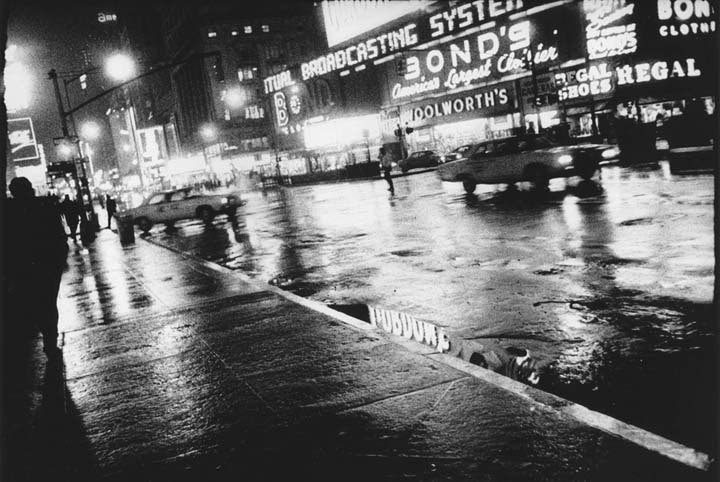
art beat
Daido Moriyama (1938-), New York, 1971
*****
*Louis Myers (1929-1994), guitar; Dave Myers (1926-2001), bass; Fred Below (1926-1988), drums.
never enough
Thelonious Monk Quartet (TM, piano; Charlie Rouse, tenor saxophone; John Ore, bass; Frankie Dunlop, drums), “Nutty,” “Bemsha Swing,” “Epistrophy,” “Crepuscule with Nellie,” “I Mean You,” live (TV show), Netherlands, 1961
**********
lagniappe
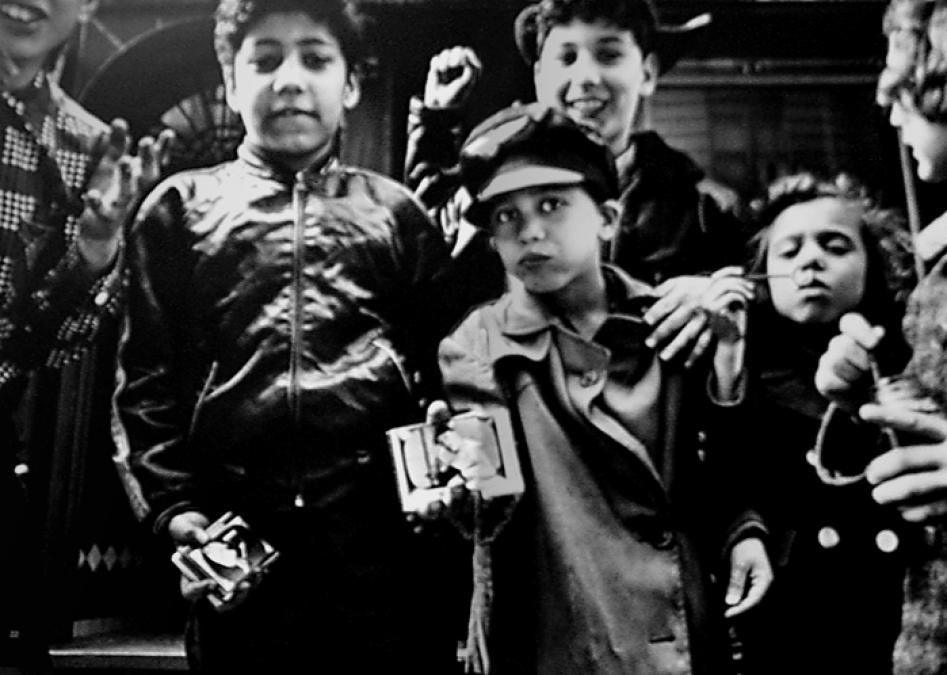
art beat
William Klein (1928-), Baseball Cards, New York 1955
sounds of Chicago
Inez Andrews (1929-2012), “Come In,” live (The Remarkable Inez Andrews), Chicago, 1980
sounds of Chicago
Goofiness is a much underrated virtue.
Mucca Pazza, live, Washington, D.C., 2015
Soundtrack for your day?
Peter Brotzmann Tentet,* live, Atlanta, 2002
*PB, reeds; Ken Vandermark, reeds; Mats Gustafsson, reeds; Mars Williams, reeds; Joe McPhee, trumpet; Jeb Bishop, trombone; Fred Longberg-Holm, cello; Kent Kessler, bass; Hamid Drake, drums; Michael Zerang, drums.
Float like a butterfly, sting like a bee.
—Muhammad Ali
Cecil Taylor Quintet (CT, piano; Harri Sjostrom, soprano saxophone; Tristan Honsinger, cello; Thurman Barker, marimba, percussion; Paul Lovens, drums), live, Germany (Hamburg), 1995
**********
lagniappe
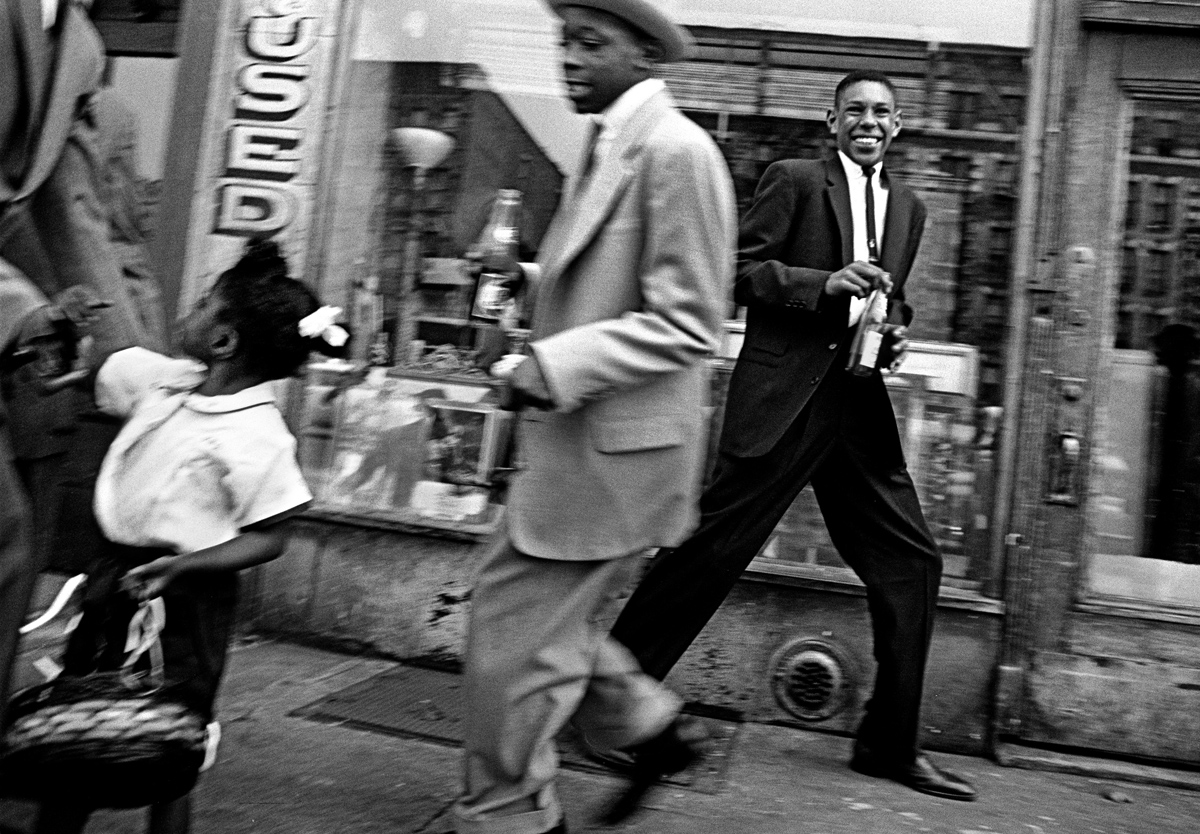
art beat
William Klein (1928-), Blacks + Pepsi (AKA Moves + Pepsi)
Harlem, New York, 1955
white folks got soul, too
(day three)
J.J. Cale (1938-2013)
“Call Me the Breeze” (J.J. Cale), live, Tulsa, 2004
***
“After Midnight” (J.J. Cale), live (with Eric Clapton), Dallas, 2004
white folks got soul, too
(day one)
More of Lucinda W.
Lucinda Williams (with Tony Joe White [harmonica, guitar], et al.), “West Memphis” (L. Williams), recording session, 2014
**********
lagniappe
reading table
Why am I now a walking accident waiting to happen? Why am I more worried about that than whether there’s an afterlife?
***
I don’t look in mirrors anymore. It’s cheaper than surgery.
***
Bonding heads the list of words I’ve ruled out. Emerson was right—as he was about everything: an infinite remoteness underlies us all. And what’s wrong with that? Remoteness joins us as much as it separates us, but in a way that’s truly mysterious, yet completely adequate for the life ongoing.
—Richard Ford, “I’m Here” (Let Me Be Frank With You)
Something cheery to start the weekend.
Lucinda Williams, “It’s Gonna Rain” (L. Williams), live (studio performance), Seattle, 2/11/15
**********
lagniappe
reading table
How can you give orders when nobody is listening?
—John Ashbery, “Be Careful What You Wish For” (New York Review of Books, 3/5/15)

