Saturday, January 25th
timeless
Solomon Burke (1940-2010) with The Blind Boys of Alabama (vocals), Rudy Copeland (organ), Jay Bellerose (drums), et al., “None of Us Are Free” (B. Mann, C. Weil, B. Russell), 2002
timeless
Solomon Burke (1940-2010) with The Blind Boys of Alabama (vocals), Rudy Copeland (organ), Jay Bellerose (drums), et al., “None of Us Are Free” (B. Mann, C. Weil, B. Russell), 2002
basement jukebox
Two minutes of heaven?
Solomon Burke (1940-2010), “Cry to Me” (Bert Berns [aka Bert Russell]), 1962
**********
lagniappe
random sights
yesterday, Chicago (alley)

basement jukebox
Solomon Burke (1940-2010), “Cry to Me” (Bert Russell AKA Bert Berns), 1962
**********
lagniappe
reading table
Looking back now, in the late autumn of life—or is it early winter?—I am convinced that art and the erotic are as closely entwined as a pair of lovers lying in each other’s arms.
—John Banville (1945-), Time Pieces: A Dublin Memoir
That gospel feeling is in all of this music.
—Solomon Burke
Soul Deep: The Story of Black Popular Music, Episode 2: Sam Cooke, with Mavis Staples, Bobby Womack, Solomon Burke, Ben E. King, et al., BBC, 2005
#1
#2
#3
#4
**********
lagniappe
art beat: more from Friday at the Art Institute of Chicago
Arshile Gorky (1904-1948), The Plough and the Song, 1946

basement jukebox
Solomon Burke (1940-2010), “Stupidity” (S. Burke), 1963
**********
lagniappe
art beat
Robert Frank (1924-)
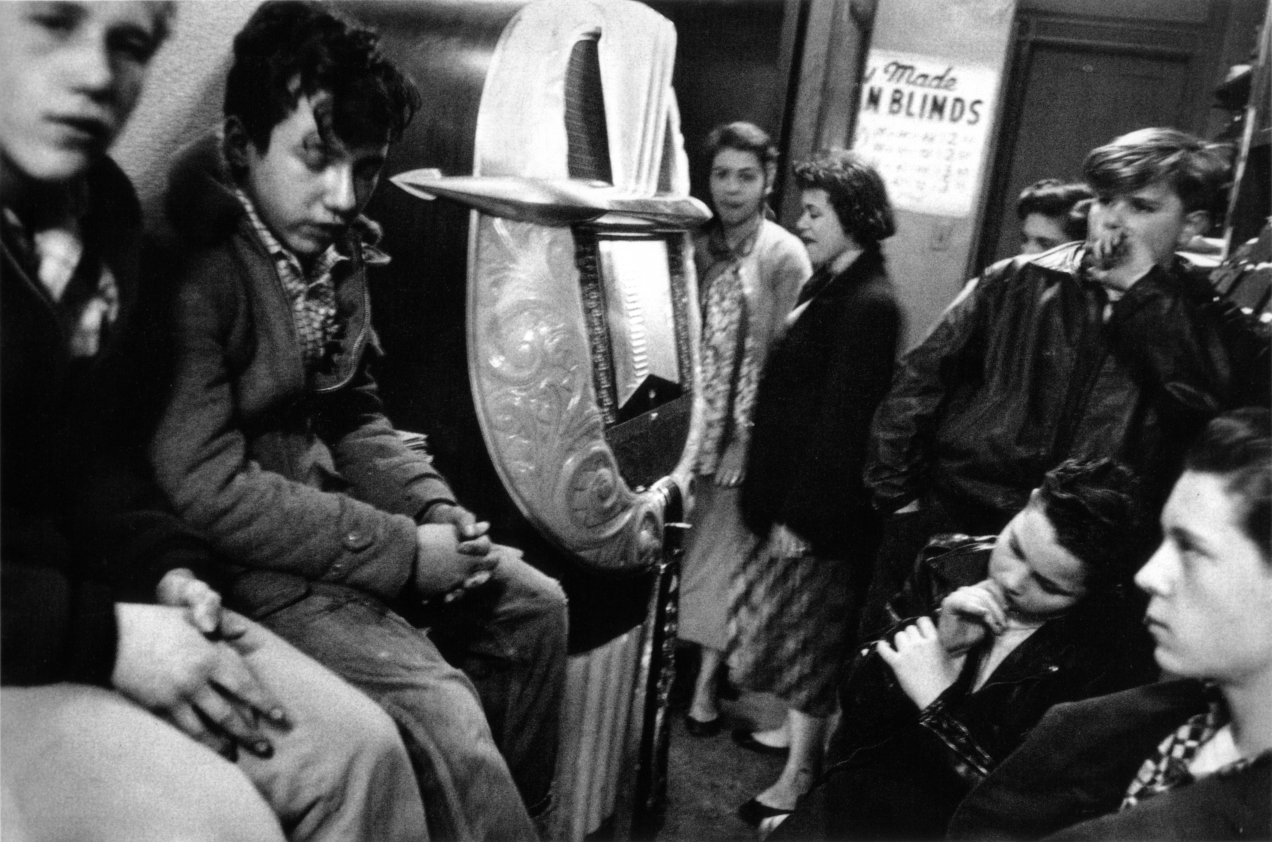
*****
the beat goes on
Eighteen hundred posts—and counting.
Let’s go to church.
Solomon Burke, “Silent Night” (Savoy, 1982)
Solomon Burke, March 21, 1940-October 10, 2010
Live (TV broadcast), England, 2003
“Everybody Needs Somebody To Love”
***
“None Of Us Are Free”
*****
“Cry To Me,” live, Spain (Vitoria), 2004
*****
“Don’t Give Up On Me,” live
**********
lagniappe
The best soul singer of all time.
—Jerry Wexler, Solomon Burke’s producer at Atlantic Records (also produced Ray Charles, Aretha Franklin, Wilson Pickett, et al.)
*****
Every day I’m on the phone ministering to people. I’ve had so many people say to me, “What should I believe in?” I tell ’em, “Just believe in what’s real and makes you feel good. Whatever moves you, go there.”
***
Every day they had a service [at my grandmother’s House of Prayer for All People], and the music never stopped. There was always a band with two or three trombones, tambourines, cymbals, guitars, pianos. When I speak of music, I get choked up. It was a message to God, something you feel down to your bones and your soul and your heart.
***
I’ve learned to forgive Jerry [Wexler] . . . I’m also waiting for my check.
—Solomon Burke (in Charles M. Young, “King Solomon’s Sweet Thunder,” Rolling Stone, 5/27/10)
 music clip of the day