Sunday, June 21st
shout!
“He Looked Beyond My Faults” (United House of Prayer band), live, c. 2011
**********
lagniappe
random sights
other day, Oak Park, Ill.
shout!
“He Looked Beyond My Faults” (United House of Prayer band), live, c. 2011
**********
lagniappe
random sights
other day, Oak Park, Ill.
what’s new
Public Enemy, “State of the Union (STFU)” (feat. DJ Premiere), 6/19/20
**********
lagniappe
random sights
other day, Chicago
what’s new
Little Dragon, “Rush,” “Where You Belong,” “Forever,” “Every Rain,” live (home studio), Sweden (Gothenburg), 6/18/20
**********
lagniappe
random sights
other day, Chicago (Columbus Park)
*****
reading table
These lazy spring days
continue—but how far away
those times called Long Ago!—Yosa Buson (1716-1784), translated from Japanese by Sam Hamill
more
Henry Threadgill (1944-, MCOTD Hall of Fame), alto saxophone, compositions
Very Very Circus, live, New York, 1995
*****
Society Situation Dance Band, live, Germany (Hamburg), 1988
#1
#2
#3
**********
lagniappe
random sights
other day, Oak Park, Ill.
voices I miss
Betty Carter (vocals, 1929-1998) with Geri Allen (piano, 1957-2017), Dave Holland (bass, 1946-), Jack DeJohnette (drums, 1942-), live, Germany (Hamburg), 1993
**********
lagniappe
random sights
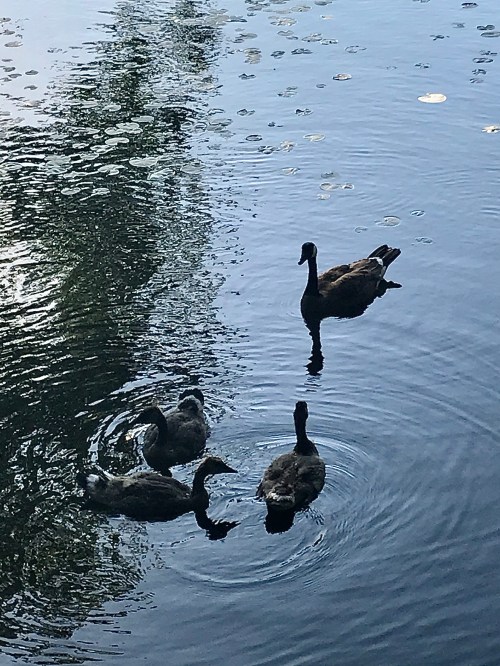
other day, Chicago (Columbus Park)
sounds of Paris
Pierre Boulez (1925-2016), . . . explosante-fixe . . . (for solo MIDI flute, two “shadow” flutes, chamber orchestra, and electronics, 1991–93); Ensemble Intercontemporain (Matthias Pintscher, cond.), live, Paris, 2015
**********
lagniappe
random sights
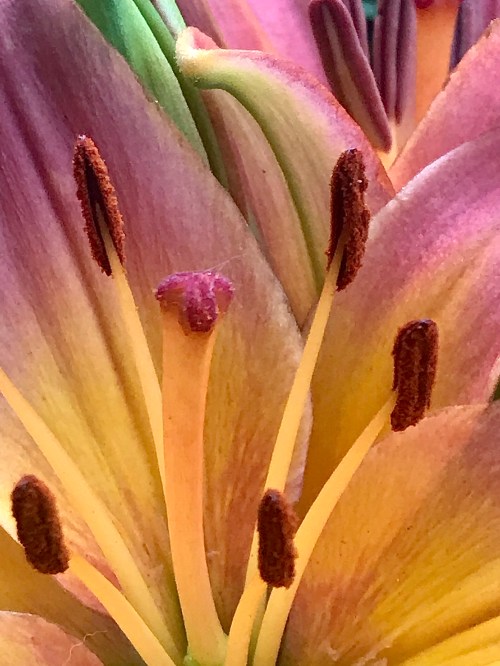
yesterday, Oak Park, Ill.
MCOTD Hall of Fame
His music I first encountered over 40 years ago, and it’s been a perpetual source of joy and inspiration ever since.
Henry Threadgill’s Zooid (HT, 1944-, alto saxophone, composition [MCOTD Hall of Fame]; Jose Dávila, tuba; Liberty Ellman, guitar; Stomu Takeishi, bass; Elliot Kavee, drums), live, Italy ( Cormòns), 2008
**********
lagniappe
random sights
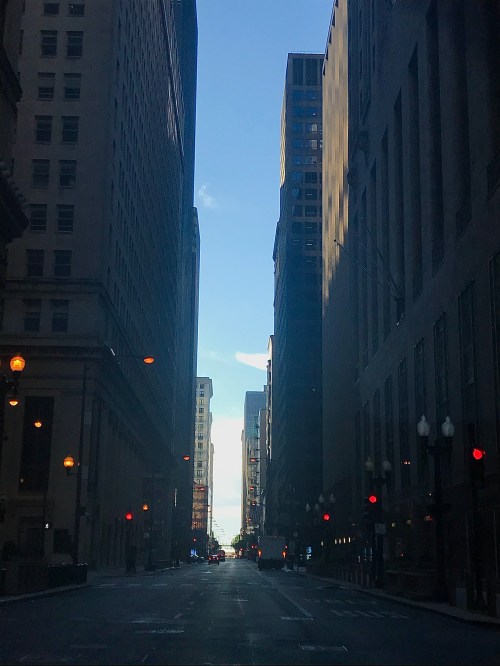
other day, Chicago
*****
reading table
In this world
we walk on the roof of hell,
gazing at flowers.—Kobayashi Issa, 1763-1827 (translated from Japanese by Robert Hass)
testify!
The Meditation Singers, “Don’t You Want to Go” (E. Rundless), live, 1960s
**********
lagniappe
random sights
yesterday, Chicago

*****
reading table
I dance, for the joy of surviving,
on the edge of the road.—Stanley Kunitz (1905-2006), from “An Old Cracked Tune”
One-word review: Wow!
Sofia Gubaidulina (1931-), String Quartet No. 1 (1971); Armida Quartet (Martin Funda, violin; Johanna Staemmler, violin; Teresa Schwamm, viola; Peter-Philipp Staemmler, cello) with Manaho Shimokawa (dance), live, Berlin, 2018
**********
lagniappe
random sights
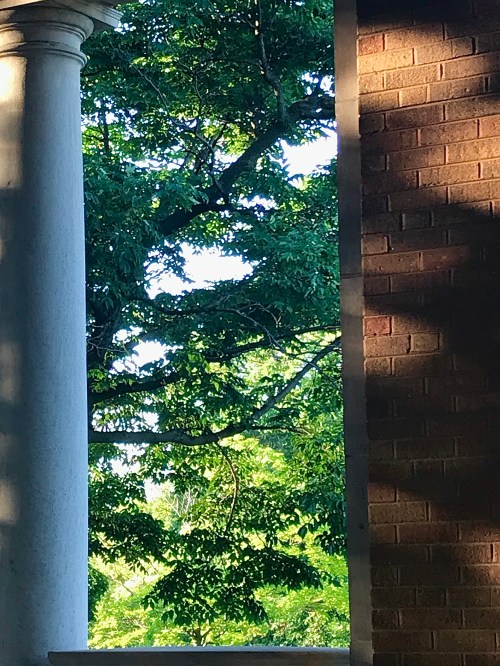
yesterday, Chicago (Columbus Park)
*****
reading table
With dewdrops dripping,
I wish somehow I could wash
this perishing world—Matsuo Basho (1644-1694), translated from Japanese by Sam Hamill
only rock ‘n’ roll
PJ Harvey, “Dress” (PJ Harvey, R. Ellis), live, England (V Festival), 2003
**********
lagniappe
random sights
this morning, Oak Park, Ill.


