Wednesday, January 14th
alone
Reiko Füting, “passage: time (copy)”; Miranda Cuckson (violin), 2025
**********
langniappe
random sights
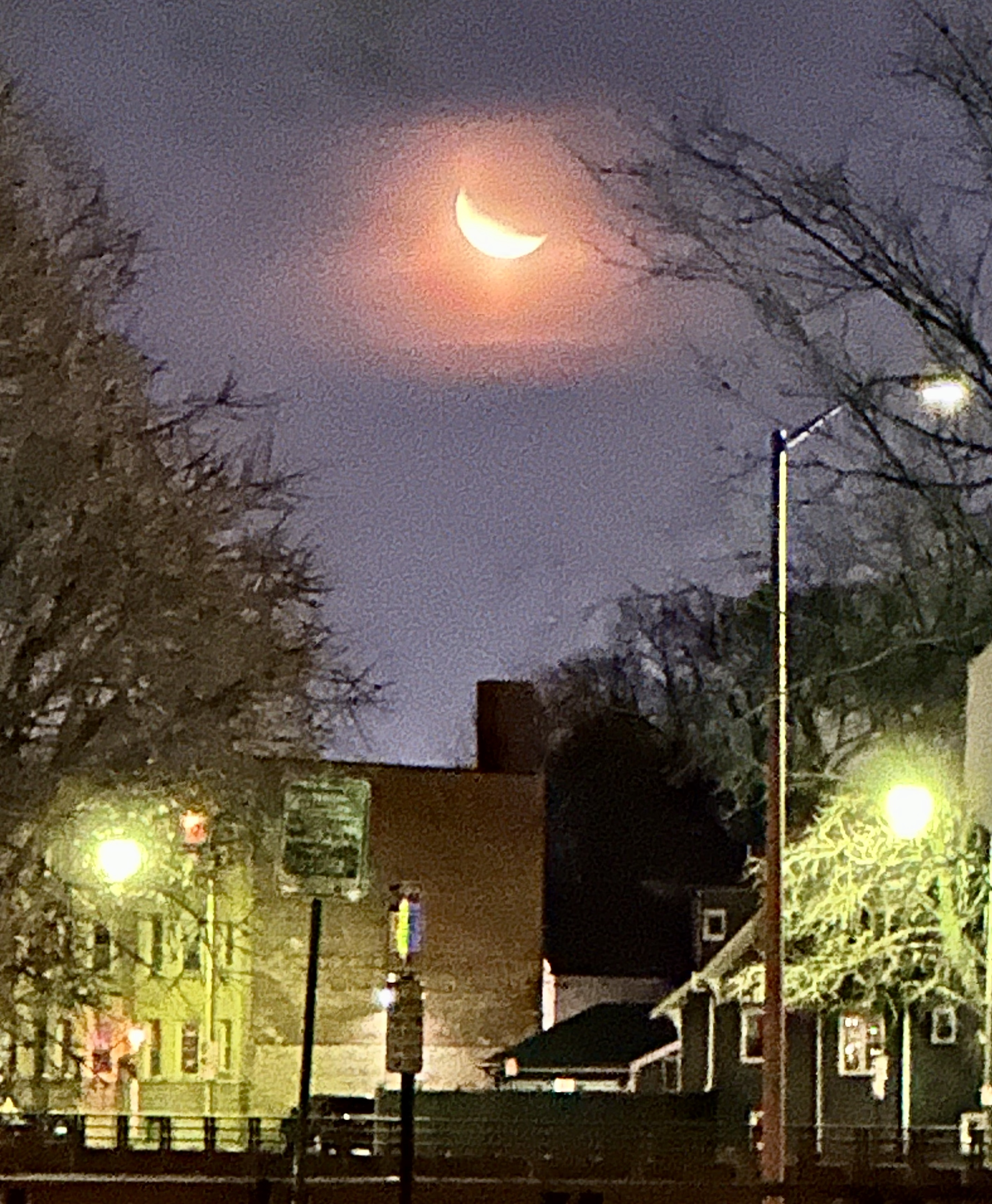
other day, Oak Park, Illinois
alone
Reiko Füting, “passage: time (copy)”; Miranda Cuckson (violin), 2025
**********
langniappe
random sights
other day, Oak Park, Illinois
two takes
Carlos Simon (1986-), “Between Worlds” (2019); Miranda Cuckson (1972-), violin
#1 (1/21)
***
#2 (9/21)
*****
About “Between Worlds”
Bill Traylor was born a slave in Alabama in 1853 and died in 1949. He lived long enough to see the United States of America go through many social and political changes. He was an eyewitness to the Civil War, Emancipation, Reconstruction, Jim Crow segregation and the Great Migration. As a self taught visual artist, his work reflects two separate worlds— rural and urban, black and white, old and new. In many ways the simplified forms in Traylor’s artwork tell of the complexity of his world, creativity, and inspiring bid for self-definition in a dehumanizing segregated culture. This piece is inspired by the evocative nature as a whole and not one piece by Traylor. Themes of mystical folklore, race, and religion pervade Traylor’s work. I imagine these solo pieces as a musical study; hopefully showing Traylor’s life between disparate worlds.
—Carlos Simon
*****
Bill Traylor: Chasing Ghosts (2023)
alone
Miranda Cuckson (violin), live, New York, 11/30/21: Elliot Carter (1908-2012), Riconoscenza per Goffredo Petrassi (1984)
**********
lagniappe
random sights
yesterday, Oak Park, Ill.
alone
Miranda Cuckson (violin), live, New York, 11/30/21
Iannis Xenakis (1922-2001), Mikka S
**********
lagniappe
reading table
First rain of winter
today’s a day
people get older—Matsuo Basho (1644-1694), translated from the Japanese by David Young
violin festival
day one
Listening to this the floor begins to feel less solid.
Michael Hersch (1971-), “the weather and landscape is on our side” for unaccompanied violin (2015); Miranda Cuckson, 2017 (published)
**********
lagniappe
random sights
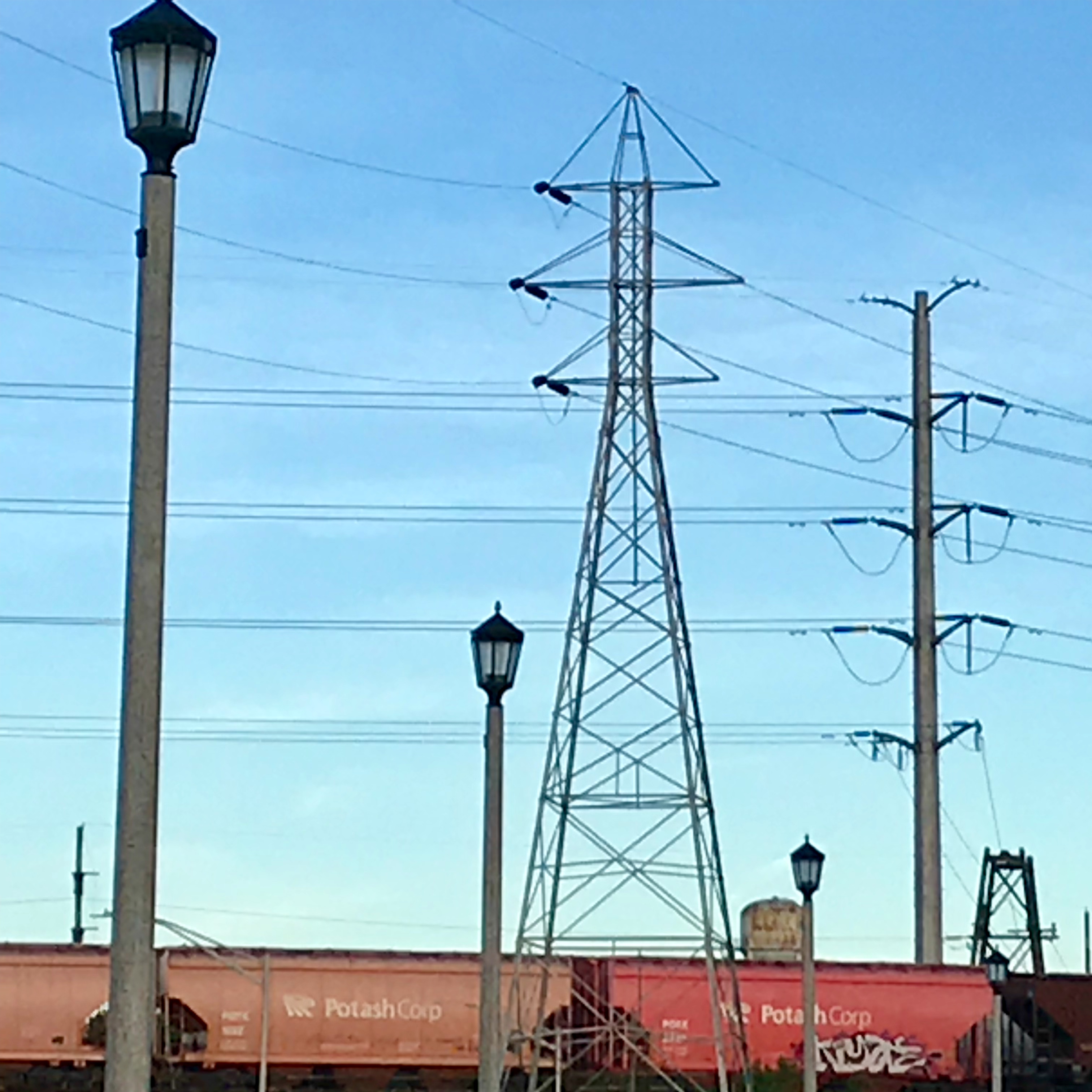
this morning, Bellwood, Ill.
more
Miranda Cuckson, violin; Michael Hersch (1971-), Fourteen Pieces for unaccompanied violin, excerpt; live, 2009
Yesterday, in Chicago, at the Art Institute, I heard this woman play the violin. She played for well over an hour, by herself, without intermission. She performed seven pieces: the earliest, by Pierre Boulez (Anthèmes 1), was composed in 1992; the latest, by Steve Lehman (En Soi), this year. When a performer surrenders to the music wholeheartedly, she invites you, the listener, to do the same. And I did, gratefully.
Miranda Cuckson, violin
Ralph Shapey (1921-2002), Etchings (1945; excerpt), 2009
**********
Playing and talking, 2015
 music clip of the day