Sunday, October 18th
timeless
Blind Willie Johnson (1897-1945), “God Don’t Never Change,” 1929
**********
lagniappe
random sights
other day, Oak Park, Ill.

timeless
Blind Willie Johnson (1897-1945), “God Don’t Never Change,” 1929
**********
lagniappe
random sights
other day, Oak Park, Ill.
timeless
Blind Willie Johnson (1897-1945), “God Don’t Never Change,” recorded 12/10/1929 (New Orleans)
**********
lagniappe
reading table
Within this temporal body composed of a hundred bones and nine holes there resides a spirit which, for lack of an adequate name, I think of as windblown.
—Matsuo Basho (1644-1694), The Knapsack Notebook (translated from Japanese by Sam Hamill)
six takes
“Nobody’s Fault but Mine” (aka “It’s Nobody’s Fault but Mine”)
Ry Cooder, 2018
*****
Pops Staples, 2015 (recorded 1998)
*****
Willie Nelson, 2010
*****
Nina Simone, 1969
*****
Sister Rosetta Tharpe, 1949
*****
Blind Willie Johnson, 1927
**********
lagniappe
random sights
last night, Oak Park, Ill.
two takes
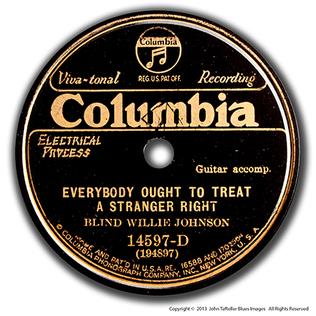
“Everybody Ought to Treat a Stranger Right” (W. Johnson)
Ry Cooder, live (studio), 4/18/18 (published)
***
Blind Willie Johnson (with Willie B. Harris), 4/20/1930 (recorded)
**********
lagniappe
random sights
today, Oak Park, Ill.

two takes
“Trouble Will Soon Be Over”
Blind Willie Johnson, 1930
***
Sinead O’Connor, 2016 (God Don’t Never Change: The Songs of Blind Willie Johnson)
**********
lagniappe
random sights
this morning, Chicago (Columbus Park)

never enough
Blind Willie Johnson (1897-1945), “Motherless Children Have a Hard Time” (record mislabeled “Mother’s Children Have a Hard Time”), 1927
**********
lagniappe
random sights
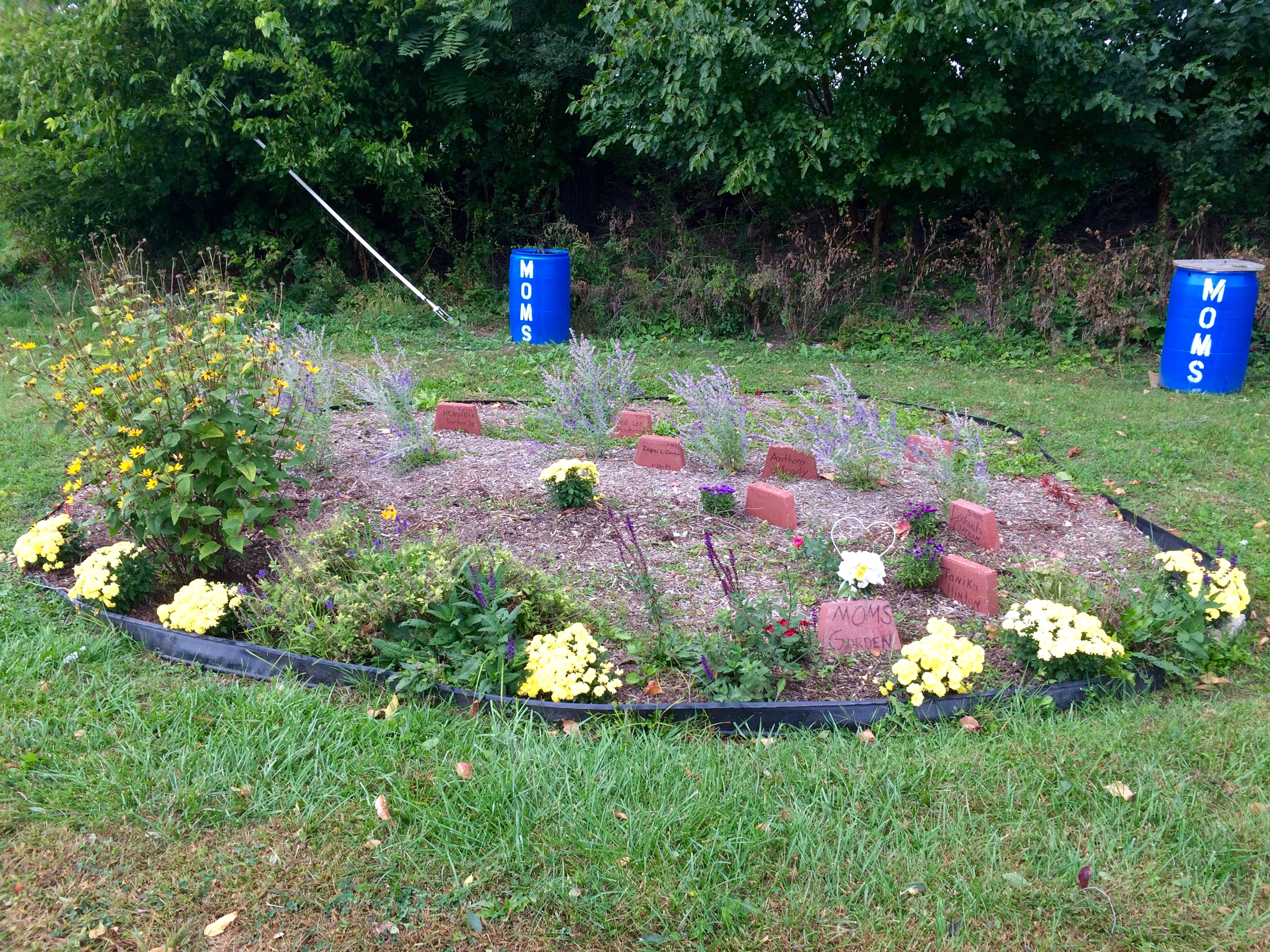
yesterday, Bellwood, Ill. (MOMS Garden [Mothers of Murdered Sons])
never enough
Blind Willie Johnson (1897-1945), “Jesus Make Up My Dying Bed,” 1927
**********
lagniappe
musical thoughts
How many of this year’s recordings will be played in 2103?
*****
random sights
this morning, outside Chicago (Salt Creek Trail)

His music, which I’ve been listening to for over forty years, never grows old. If anything, the opposite is true. Year after year, it gets stronger, deeper, fresher.
Blind Willie Johnson, “Trouble Will Soon Be Over” (with Willie B. Harris), 1929
**********
lagniappe
reading table
I love the past tense, but you can’t live there.
—John Koethe, “Stele” (fragment; ROTC Kills, 2012)
two takes
Blind Willie Johnson (1897-1945), “I’m Gonna Run to the City of Refuge,” 1928
*****
Dr. C. J. Johnson (1913-1991), “You Better Run to the City of Refuge”
**********
lagniappe
art beat
Danny Lyon (1942-), New York, 1967

*****
the beat goes on
Sixteen hundred posts—and counting.
five takes
“If I Had My Way I’d Tear The Building Down,” AKA “If I Had My Way,” “Samson and Delilah”
Blind Willie Johnson, recording, 1927
***
Reverend Gary Davis, live (TV show)
***
Peter Paul & Mary, live (TV show)
***
Grateful Dead, live, New York (Radio City Music Hall), 1980
***
Bruce Springsteen, live, Italy (Verona), 2006
 music clip of the day