Shirley Scott (1934-2002, organ) with Harold Vick (1936-1987, tenor saxophone), Billy Higgins (1936-2001, drums), Jimmy Hopps (1939-, cowbell), “Keep On Movin’ On” (H. Vick), rec. 1974 (One for Me [Strata-East], 1975)
**********
lagniappe
random sights
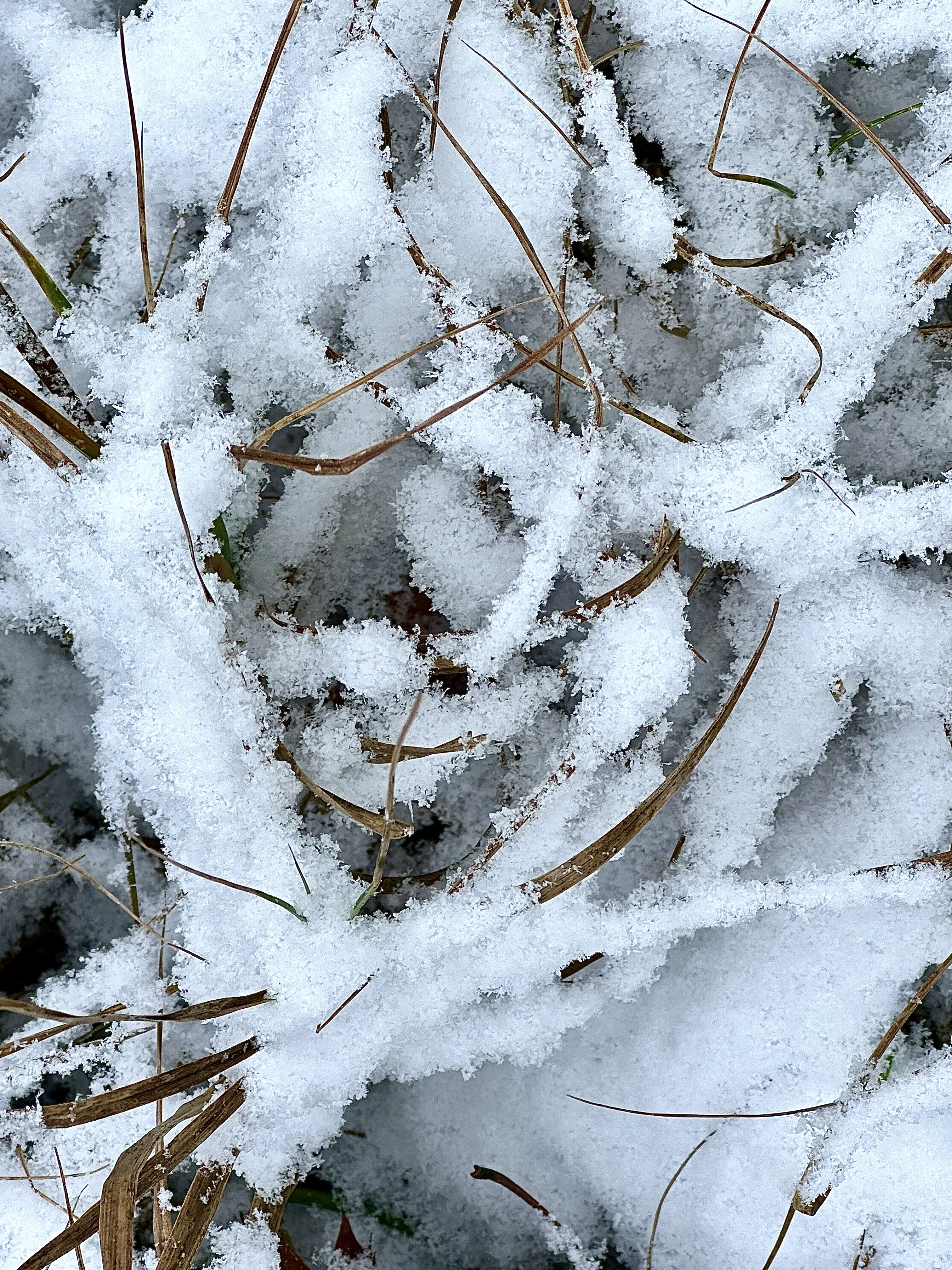
other day, Oak Park, Ill.
*****
reading table
Drooping in this upside-down world, a bamboo in the snow.
—Matsuo Basho (1644-1694), translated from the Japanese by Tom Lowenstein
Lee Morgan (trumpet) with Wayne Shorter (tenor saxophone), Harold Mabern (piano), Bob Cranshaw (bass), Billy Higgins (drums), “Yes I Can, No You Can’t,” 1966
***
S. Mos, mash-up (Tupac Shakur, “Holler If Ya Hear Me” [1993]), 2011
**********
lagniappe
reading table
And everything turns and turns
and the unknown turns into the song
that is the known, but what in turn
becomes of the song is not for us to say
—Mark Strand (1934-2014), “The Webern Variations,” excerpt
Ornette, at 84, still plays some of the most haunting blues I’ve ever heard.
Ornette Coleman (alto saxophone), with Henry Threadgill (alto saxophone), David Murray (tenor saxophone), Savion Glover (tap dance), et al., live, New York (Prospect Park), 6/12/14
*****
With Don Cherry (trumpet), Charlie Haden (bass), Billy Higgins (drums), The Shape Of Jazz To Come, 1959
**********
lagniappe
art beat
Bruce Davidson (1933-), East 100th St., New York, 1966
Ornette Coleman Quartet (OC, alto saxophone; Don Cherry, pocket trumpet; Charlie Haden, bass; Billy Higgins, drums), live, Spain (Barcelona), 1987
**********
lagniappe
musical thoughts
How can I turn emotion into knowledge? That’s what I try to do with my horn.
***
It’s not that I reject categories. It’s that I don’t really know what categories are.
***
You take the alphabet of the English language. A to Z. A symbol attached to a sound. In music you have what are called notes and the key. In life you’ve got an idea and an emotion. We think of them as different concepts. To me, there is no difference.
***
The violin, the saxophone, the trumpet: Each makes a very different sound but the very same notes. That’s pretty heavy, you know? Imagine how many different races make up the human race. I’m called colored, you’re called white, he’s called something else. We still got an asshole and a mouth. Pardon me.
Sonny Rollins/Don Cherry Quartet (SR, tenor saxophone; DC, trumpet; Henry Grimes, bass; Billy Higgins, drums), “52nd Street Theme” (T. Monk), live (TV broadcast), Rome, 1962
Ornette Coleman Quartet (with Don Cherry, trumpet; Charlie Haden, bass; Billy Higgins, drums), live, Spain (Barcelona), 1987
Part 1
*****
Part 2
*****
Part 3
*****
Part 4
*****
The sounds you don’t hear can mean as much as the ones you do. Here, for instance, it’s hard to overstate the importance of what isn’t onstage—a harmony instrument (piano, guitar). Without it, the drums move forward in the mix. The bass has more space to fill. The sound of each instrument becomes clearer, more distinct. The group sound becomes lighter, more open.
lagniappe
When we were on relief during the Depression, they’d give us dried-up old cheese and dried milk and we’d get ourselves all filled up and we’d kept this thing going, singing and dancing. I remember that when I play. You have to stick to your roots. Sometimes I play happy. Sometimes I play sad. But the condition of being alive is what I play all the time.
***
You know what I realize? That all sound has a need. Otherwise it wouldn’t have a use. Sound has a use. . . . You use it to establish something—an invisible presence or some belief. . . . But isn’t it amazing that sound causes the idea to sound the way it is, more than the idea?
***
Music has no face. Whatever gives oxygen its power, music is cut from the same cloth.
—Ornette Coleman
(The first and last quotes are from Ornette’s website. The second is from Ben Ratliff, The Jazz Ear: Conversations over Music [2008].)
*****
It is not enough to say that Ornette Coleman’s music will affect jazz profoundly, for it already has so affected it, and not only the jazz of younger men but that of some of his elders as well. His music represents the first fundamental reevaluation of basic materials and basic procedures for jazz since the innovations of Charlie Parker. ‘Let’s play the music and not the background,’ Coleman has said. And when someone does something with the passion and deep conviction of an Ornette Coleman, I doubt if there could be any turning back; it seems mandatory somehow for others somehow to respond to his work.—Martin Williams, The Jazz Tradition (2d rev. ed. 1993)
*****
Radio Ornette: all Ornette, all the time
Want more? In celebration of Ornette’s birthday, one of my favorite radio stations, WKCR-FM(at Columbia University), is playing his music all day.

 music clip of the day