never enough
Don’t “listen” to this.
Close your eyes: let the sounds inhabit you.
Then you will inhabit the sounds.
Wolfgang Amadeus Mozart (1756-1791), Clarinet Quintet, K. 581; Armida Quartet with Sabine Meyer (clarinet), live, Italy (Merano [aka Meran]), 2019
**********
lagniappe
random sights
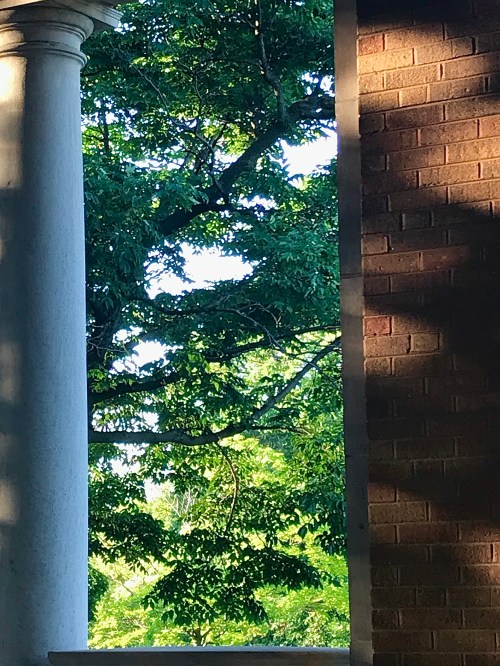
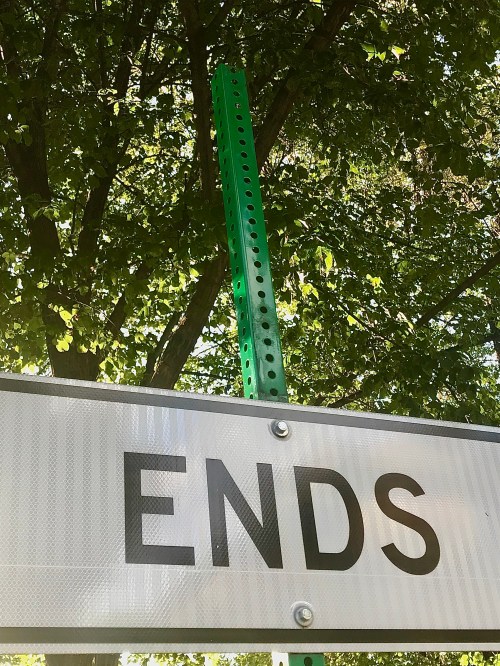
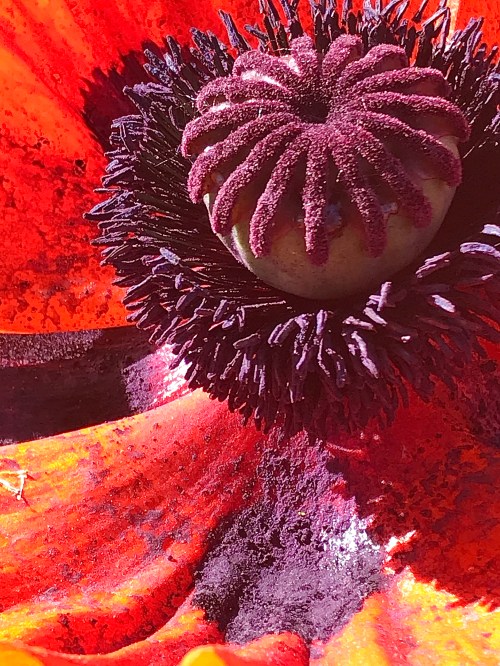
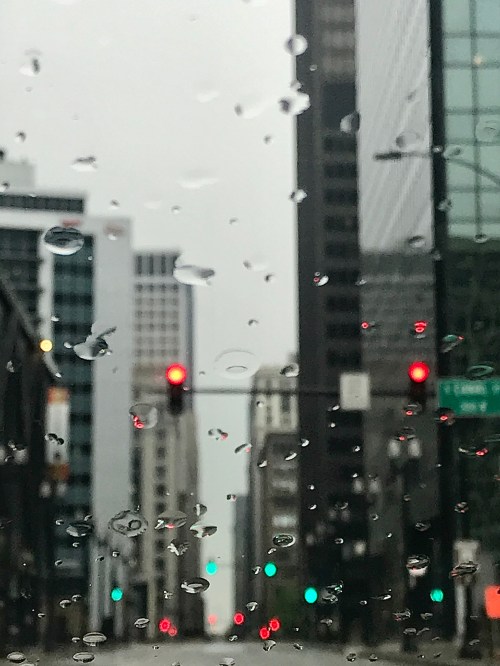
yesterday, Oak Park, Ill.
*****
reading table
Come out to view
the truth of flowers blooming
in poverty—Matsuo Basho (1644-1694), translated from Japanese by Sam Hamill
never enough
Why not begin the week with something beautiful?
Wolfgang Amadeus Mozart (1756-1791), Piano Sonata in B-flat major, K. 570; Peter Serkin (1947-2020, piano), live, New Jersey (Ridgewood), 2017
**********
lagniappe
random sights
yesterday, Oak Park, Ill.
*****
reading table
You ask why I live
alone in the mountain forest,and I smile and am silent
until even my soul grows quiet.The peach trees blossom.
The waters continue to flow.I live in the other world,
one that lies beyond the human.—Li Po (aka Li Bai, 701-762), “Questions Answered” (translated from Chinese by Sam Hamill)
never enough
How many musicians talk as well as they play?
Jeremy Denk (1970-, piano), playing, and talking about, Bach’s Well-Tempered Clavier (excerpts), live, 4/7/20
**********
lagniappe
reading table
North Haven
by Elizabeth Bishop (1911-1979)
In Memoriam: Robert Lowell
I can make out the rigging of a schooner
a mile off; I can count
the new cones on the spruce. It is so still
the pale bay wears a milky skin; the sky
no clouds except for one long, carded horse’s tail.
The islands haven’t shifted since last summer,
even if I like to pretend they have—
drifting, in a dreamy sort of way,
a little north, a little south, or sidewise—
and that they¹re free within the blue frontiers of bay.
This month our favorite one is full of flowers:
buttercups, red clover, purple vetch,
hackweed still burning, daisies pied, eyebright,
the fragrant bedstraw’s incandescent stars,
and more, returned, to paint the meadows with delight.
The goldfinches are back, or others like them,
and the white-throated sparrow’s five-note song,
pleading and pleading, brings tears to the eyes.
Nature repeats herself, or almost does:
repeat, repeat, repeat; revise, revise, revise.
Years ago, you told me it was here
(in 1932?) you first “discovered girls”
and learned to sail, and learned to kiss.
You had “such fun,” you said, that classic summer.
(“Fun”—it always seemed to leave you at a loss . . .)
You left North Haven, anchored in its rock,
afloat in mystic blue . . . And now—you’ve left
for good. You can’t derange, or rearrange,
your poems again. (But the sparrows can their song.)
The words won’t change again. Sad friend, you cannot change.
never enough
Wolfgang Amadeus Mozart (Piano sonata K.281, 0:00; Variations on “Salve tu, Domine” K.398, 21:14; Variations on “Unser dummer Pöbel meint” K.455, 29:51; Fantasy K.397, 44:27; Piano sonata K.310, 50:52), Robert Schumann (Arabeske op.18, 1:14:05; Toccata op.7, 1:21:05); Emil Gilels (1916-1985, piano), live, Moscow, 1970
**********
lagniappe
musical thoughts
Mozart was a kind of idol to me—this rapturous singing . . . that’s always on the edge of sadness and melancholy and disappointment and heartbreak, but always ready for an outburst of the most delicious music.
—Novelist Saul Bellow, 1915-2005
*****
random sights
yesterday, Oak Park, Ill.