Wednesday, March 11th
sounds of Chicago
Ramon Lazkano (1968-), A Glitch at the Edge (2023); Grossman Ensemble, live, Chicago, 2023 (premiere)
**********
lagniappe
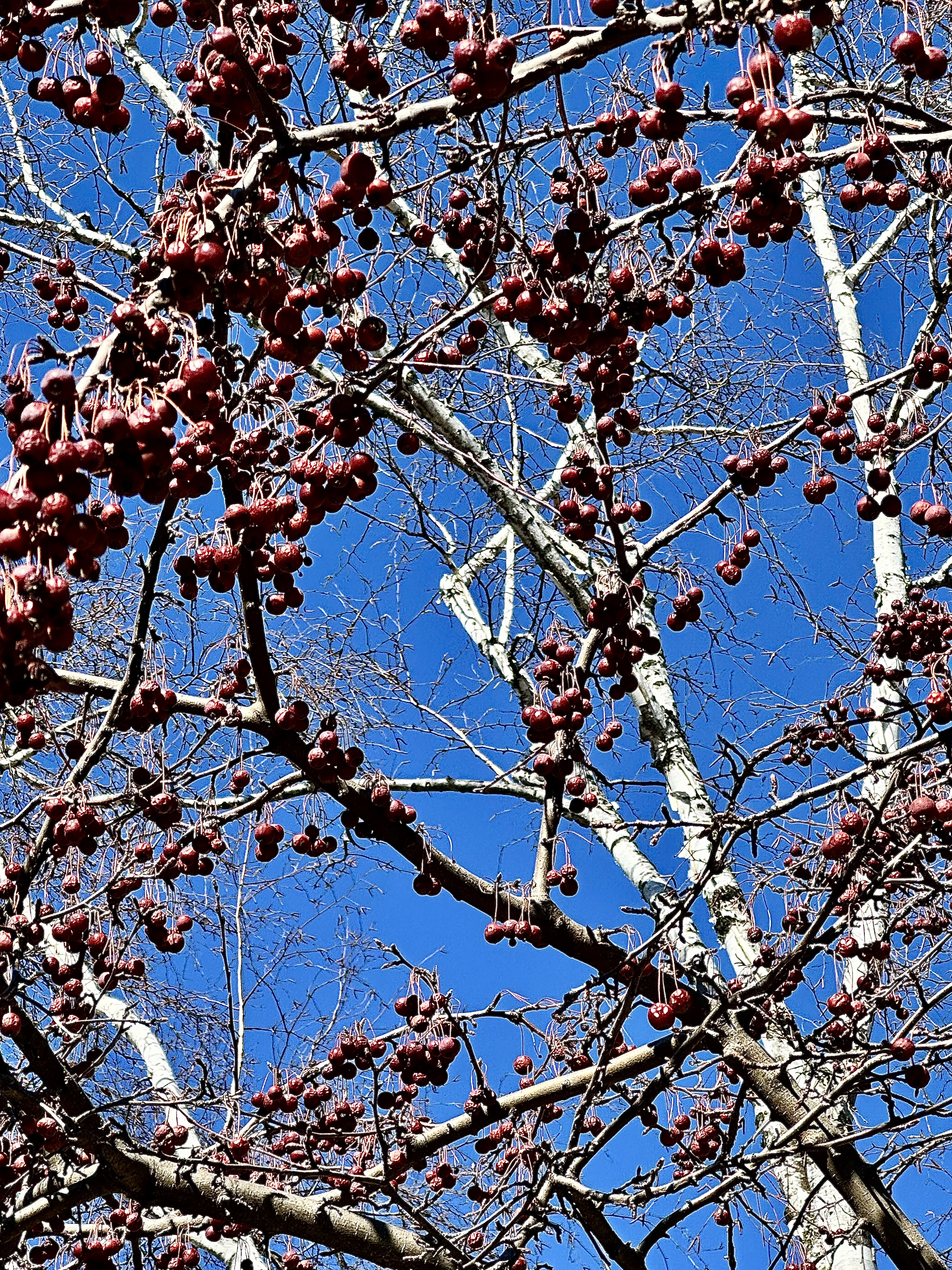
random sights
other day, Oak Park, Illinois
sounds of Chicago
Ramon Lazkano (1968-), A Glitch at the Edge (2023); Grossman Ensemble, live, Chicago, 2023 (premiere)
**********
lagniappe
random sights
other day, Oak Park, Illinois
alone
George Crumb (1929-2022), Sonata for Solo Cello; Santiago Cañón-Valencia (1995-, cello), 2020
**********
lagniappe
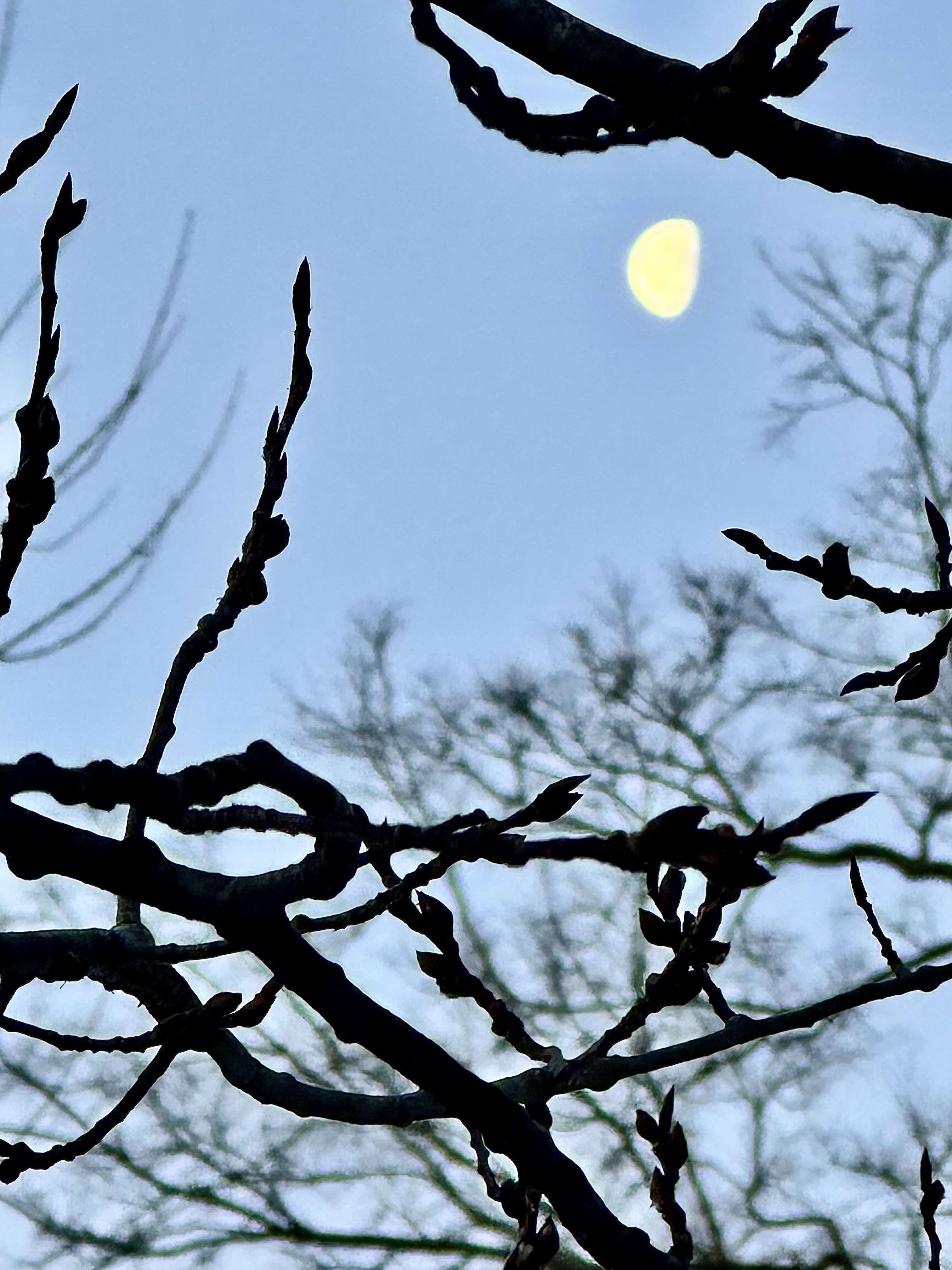
random sights
other day, Oak Park, Illinois
Close your eyes: listen.
Olivier Messiaen (1908-1992), Le Merle noire (The Blackbird), for flute and piano (1952); Kenneth Smith (flute), Matthew Schellhorn (piano), 2008
**********
lagniappe
random sights
other day, Oak Park, Illinois

What better way to begin a new year?
Johann Sebastian Bach (1685-1750), Suite No. 5 in C minor for Unaccompanied Cello; Steven Isserlis (1958-, cello), live, New York, 2018
**********
lagniappe
random sights
last night, Oak Park, Illinois

timeless
Frederic Chopin (1810-1849), Prelude No. 13
Victor Schiøler (1899-1967), piano (1956)
**********
lagniappe
random sights
yesterday, Oak Park, Illinois
There are a handful of pianists whose performances I jump on immediately, no matter the piece. He’s one.
Daniil Trifonov (1991-), piano: Pyotr Ilyich Tchaikovsky (1840-1893), “The Sleeping Beauty,” Op. 66 (Transcr. Pletnev), IV. Andante, published 7/26/25
**********
lagniappe
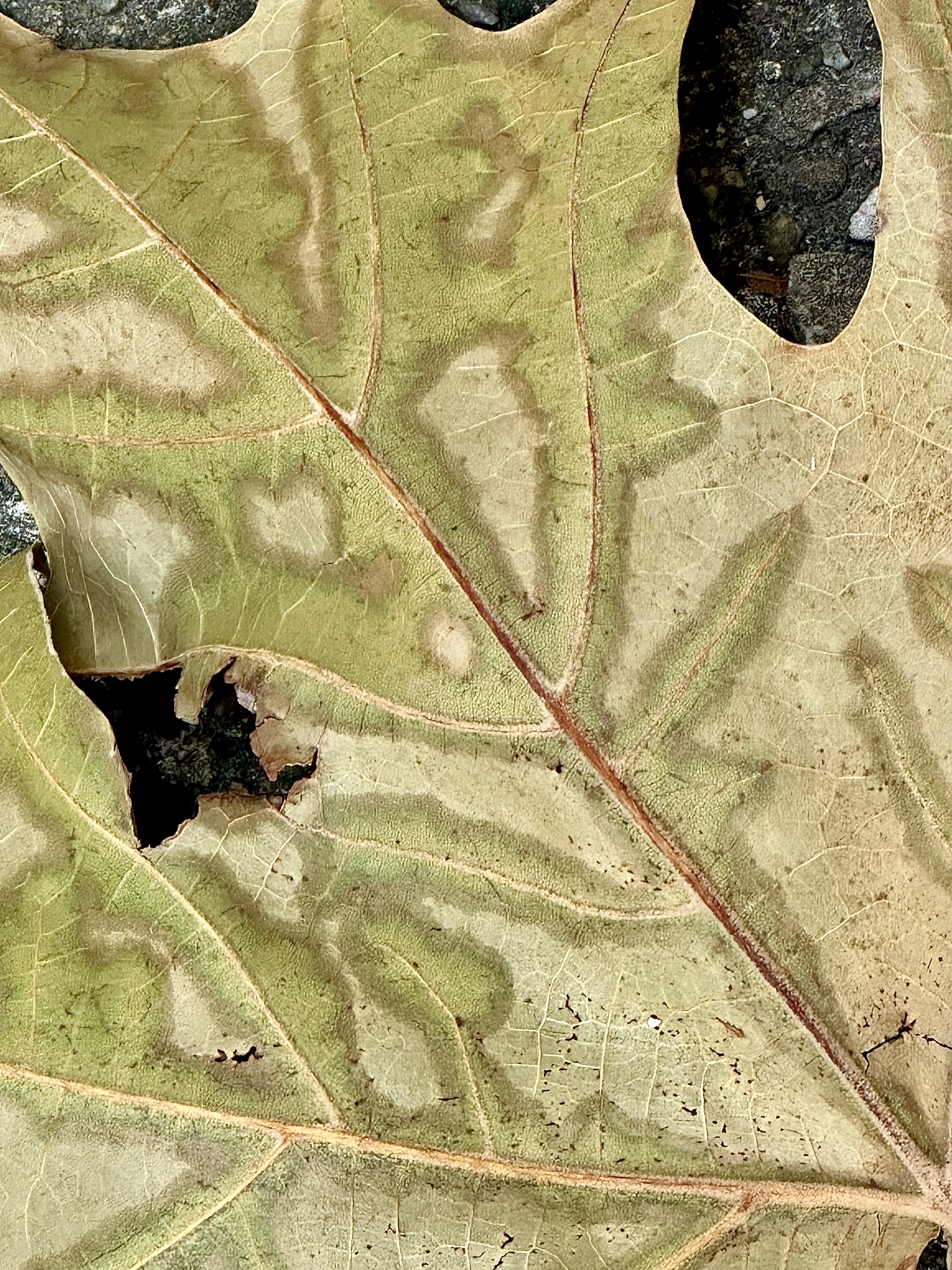
random sights
other day, Oak Park, Illinois

what’s new (timeless, too)
In a hurry? Don’t miss the excerpt from Ravel’s lone string quartet (9:15-).
Takács Quartet (Edward Dusinberre, violin; Harumi Rhodes, violin; Richard O’Neill, viola; András Fejér, cello), live (Joseph Haydn: String Quartet in D minor, Op. 42: IV. Finale; Nokuthula Ngwenyama: Flow: III. Quark Scherzo; Maurice Ravel: String Quartet in F major: II. Assez vif – très rythmé), Washington, D.C., published 7/7/25
*****
lagniappe
random sights
other day, Chicago (Columbus Park)
timeless
Ignaz Friedman (1882-1948), piano, 1936: Frederic Chopin (1810-1849), Nocturne No. 16 (E-flat major, Op. 55, No. 2)
Need a break from the unceasing cacophony?
Wolfgang Amadeus Mozart (1756-1791), Adagio in B Minor (K. 540); Grigory Sokolov (1950-, piano), live, Spain (San Sebastián), 2023
**********
lagniappe
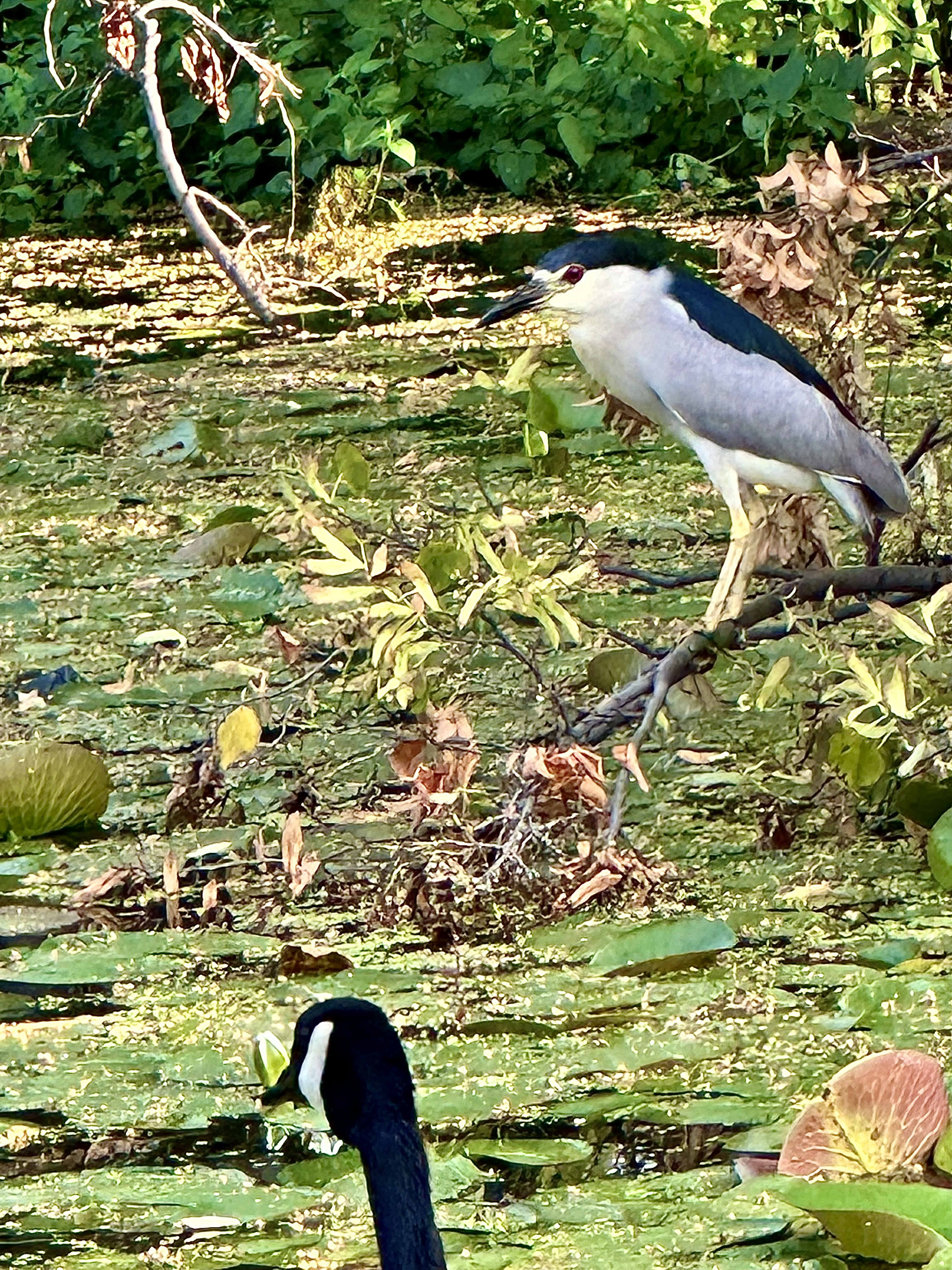
random sights
other day, Chicago
sounds of London
Leonkoro Quartet (Jonathan Schwarz, violin; Amelie Wallner, violin; Mayu Konoe, viola; Lukas Schwarz, cello), live, London, 11/21/24: Joseph Haydn (String Quartet in F major, Op. 50, No. 5 [“The Dream”]), 2:00-; Felix Mendelssohn (String Quartet No. 4 in E minor, Op. 44, No. 2), 22:30-; Giacomo Puccini (Chrisantemi), 53:00-
**********
lagniappe
random sights
yesterday, outside Chicago

 music clip of the day